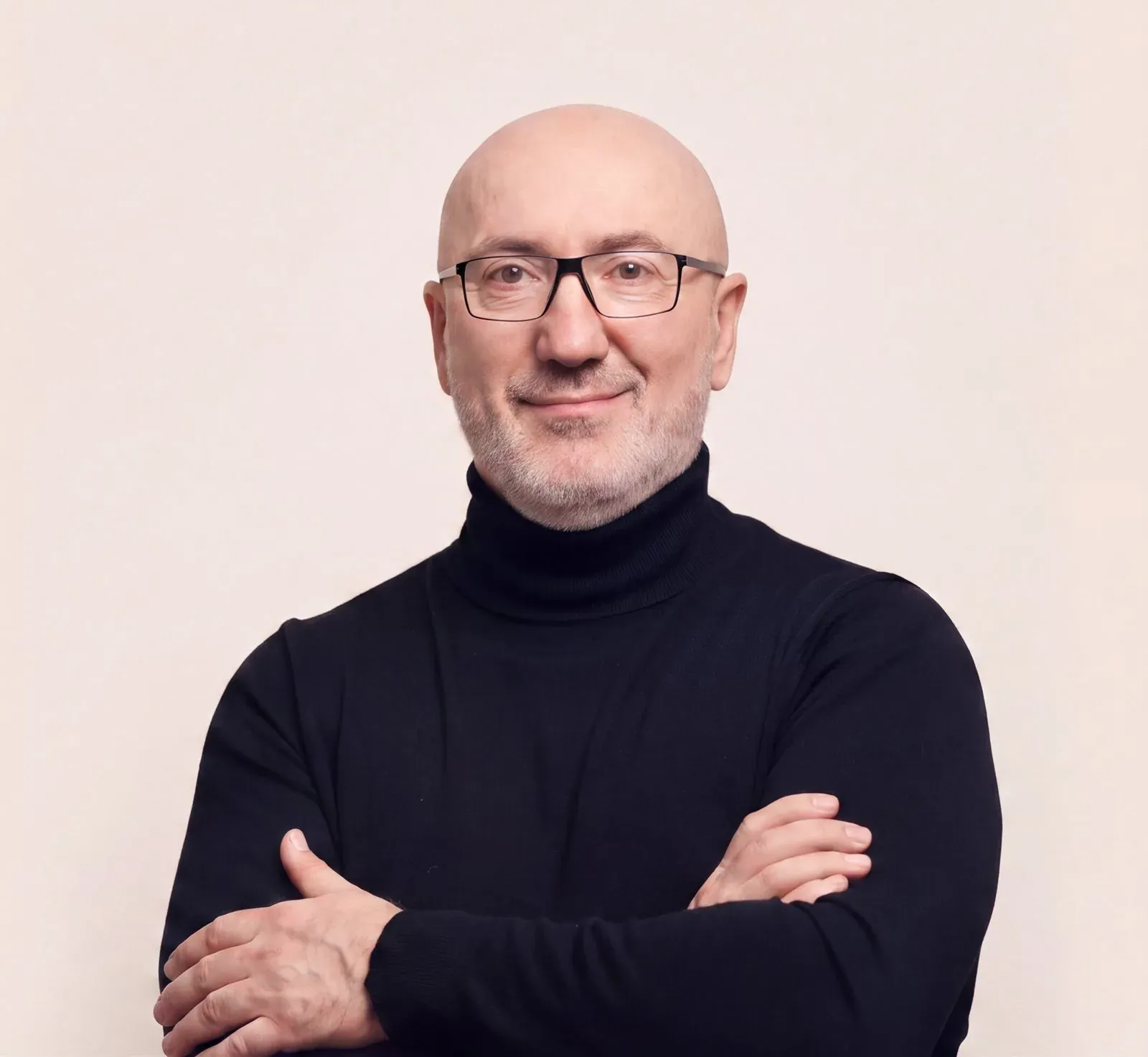
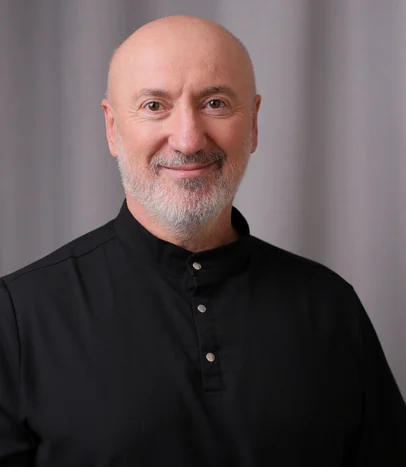



Eldar Kamalov, Specialist Otolaryngology

[01] Sees patients at Dubai London Hospital

Eldar Kamalov

Specialist Otolaryngology

Rhinoplasty and septoplasty
PhD in Medicine, 30 years in practice

WhatsApp

[02] Approach

Shape, breathing and recovery are closely connected. A detailed surgical plan is established before the procedure based on the patient’s anatomy, functional needs and individual goals.

During the consultation, the surgeon examines the nasal structures, explains what surgery can and cannot achieve, and discusses the potential risks. Outcomes vary from person to person and depend on individual anatomy and healing.

[03] About the doctor

Eldar Kamalov
Eldar Shamsutinovich Kamalov
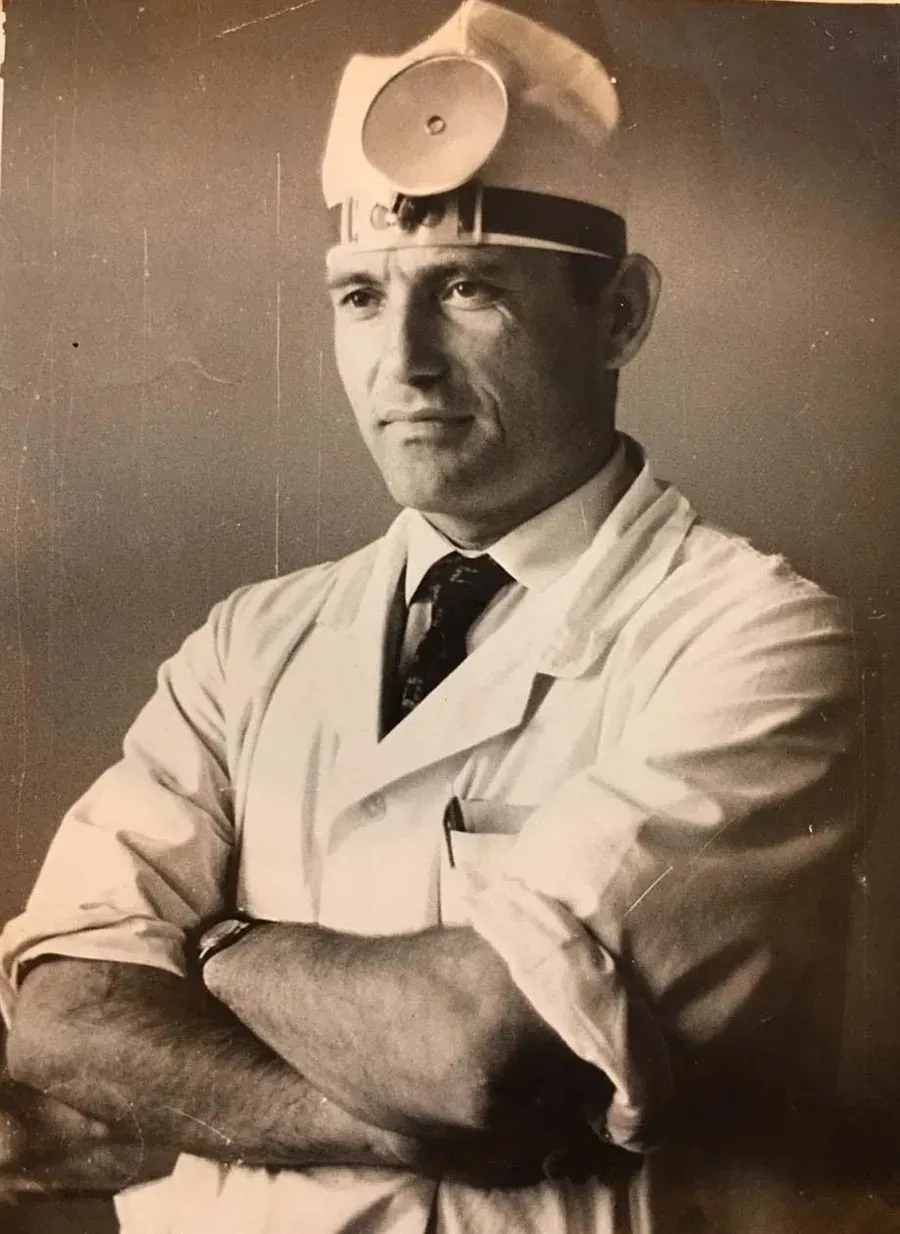
Shamsutin Kamalov, ENT and plastic surgeon, archive photograph
Shamsutin Kamalov - ENT and plastic surgeon. Father and first teacher.

ENT surgeon by training. Rhinoplasty specialist by vocation.

Eldar Kamalov was born in Makhachkala, into the family of Shamsutin Kamalov, an ENT and plastic surgeon. He began assisting his father while still a medical student - an experience that shaped his interest in ENT and gave him his first practical exposure to nasal surgery. In 2016 he opened a clinic and named it after his father. He now provides consultations and performs surgery in Dubai on a regular basis.

30+
years in medicine
15,000+
operations
Winner of the Crystal Lotus Award, 2017
member of the Rhinoplasty Society of Europe
member of the Russian Society of Plastic, Reconstructive and Aesthetic Surgeons

// Path

  1. 1988Entered the Dagestan State Medical Institute
  2. 1994Graduated with a degree in General Medicine and qualified as a physician
  3. 2003Defended his thesis, PhD in Medicine
  4. 2016Opened a clinic and named it after his father

// Documents

[04] Nose surgery

Shape and breathing should be considered together

One framework - bone, cartilage and the septum - holds both the outline of the nose and the path for the air. So the surgeon looks at both tasks at once.

Task 01

Shape

Rhinoplasty

The external shape of the nose changes. The scope of the work is set by the anatomy, not by a preference for a shape.

  • ApproachOpen or closed - depending on the case
  • RevisionAfter previous surgery and after injury

Risks

Performed under anaesthesia, requires a recovery period.

  • swelling
  • temporary difficulty with nasal breathing
  • changes in sensation
  • possible revision procedure

Task 02

Breathing

Septoplasty

The septum is returned to the midline to restore the airway. The outward shape of the nose is not changed.

  • IndicationPersistent difficulty with nasal breathing
  • From insideNo external incisions needed

Risks

Performed under anaesthesia, requires a recovery period.

  • swelling
  • dryness in the nose
  • bleeding
  • recurrence of the deviation

Together

One operation

Rhinoseptoplasty

Often both are needed. When that is the case, both can be addressed in a single operation.

  • one anaesthetic
  • one recovery

The surgeon goes through the risks at the consultation, before any decision is made, and says then and there whether the operation is suitable in a particular case - based on an examination and imaging, not on a photograph of the nose. The outcome depends on the anatomy and on how the tissues heal, and differs from one person to another.

[05] Where he sees patients

The hospital entrance from Jumeirah Beach Road

A hospital with round-the-clock inpatient care

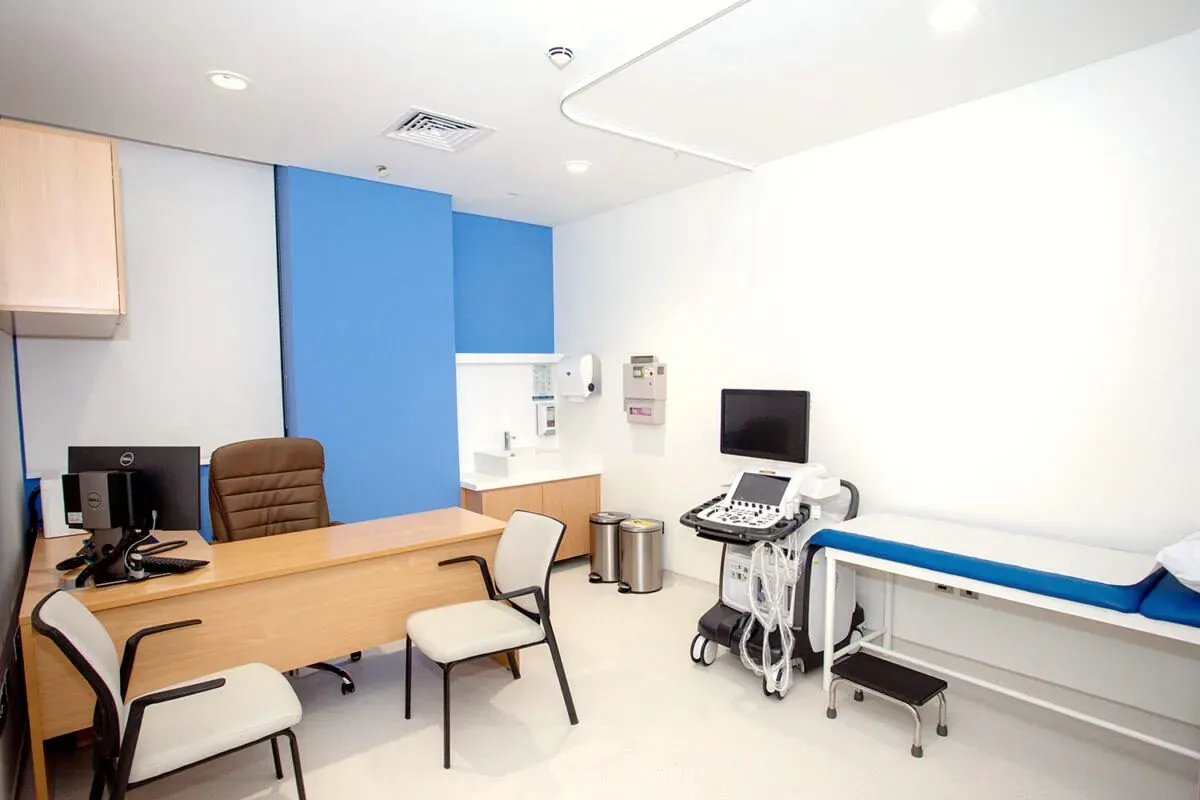
A consulting room
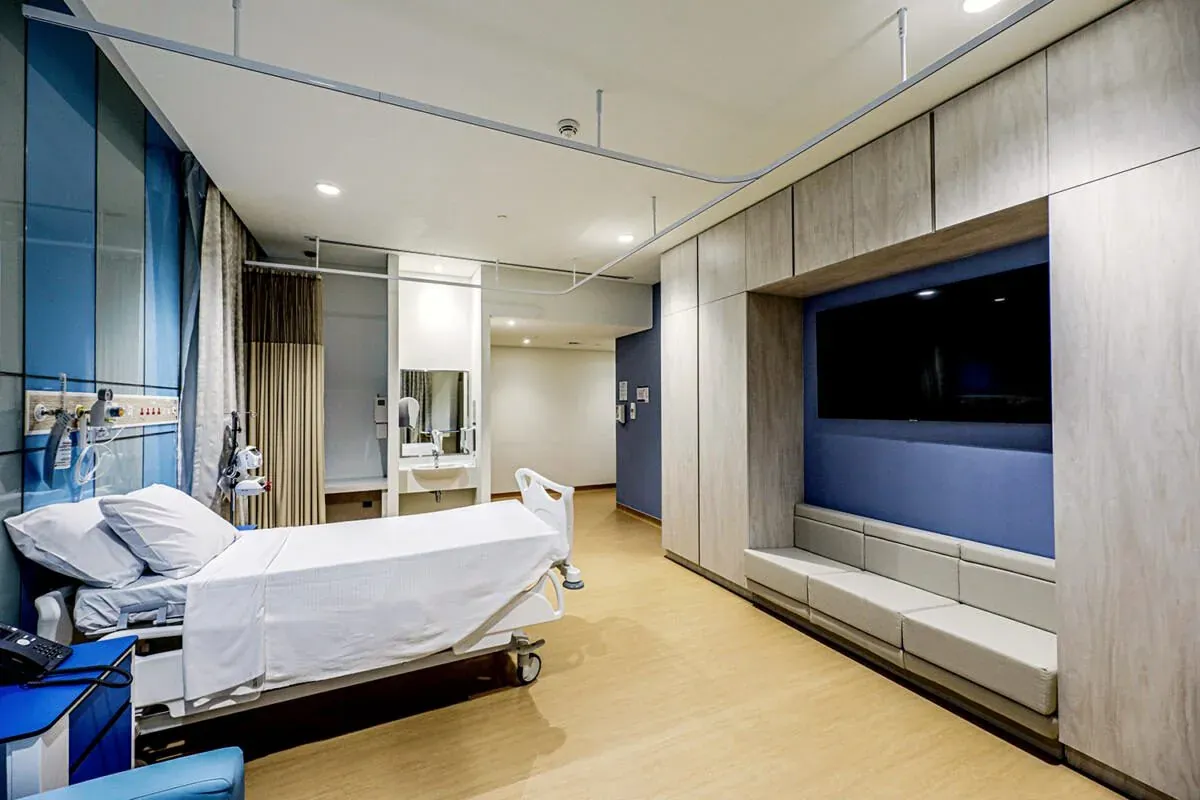
A single inpatient room

Consultations, tests and surgery all take place at Dubai London Hospital - a private hospital on the Jumeirah beachfront, two kilometres from the Burj Al Arab. A dedicated ENT department, the operating theatres and wards are under one roof: after surgery the patient stays in the same building, with no transfers between clinics.

  • consultations in Russian and English
  • ACHSI international hospital accreditation

// Where the hospital is

Arabian GulfPalm JumeirahPalm JumeirahN5 kmJumeirah Beach RoadBurj Al Arab

Dubai London HospitalUmm Suqeim 2

760 Jumeirah Beach Road · Umm Suqeim 2 · Dubai

[06] How treatment works

6 steps from enquiry to the final check-up

The order is the same for rhinoplasty and septoplasty. The decision to operate is made only after an in-person examination - never from a photograph of the nose.

  1. Step 01

    Enquiry

    Submit an enquiry through the website or message us on WhatsApp. The clinic gets in touch and arranges an appointment.

    WhatsApp
  2. Step 02

    Consultation

    An in-person appointment at Dubai London Hospital, 15 to 30 minutes depending on the case. The surgeon examines the external and internal nasal structures, reviews the CT scan and shows a computer simulation: a way to discuss what is achievable and what is not, not a promise of a result. The risks are talked through at the same appointment.

    Consulting room at Dubai London Hospital
  3. Step 03

    Tests and the plan

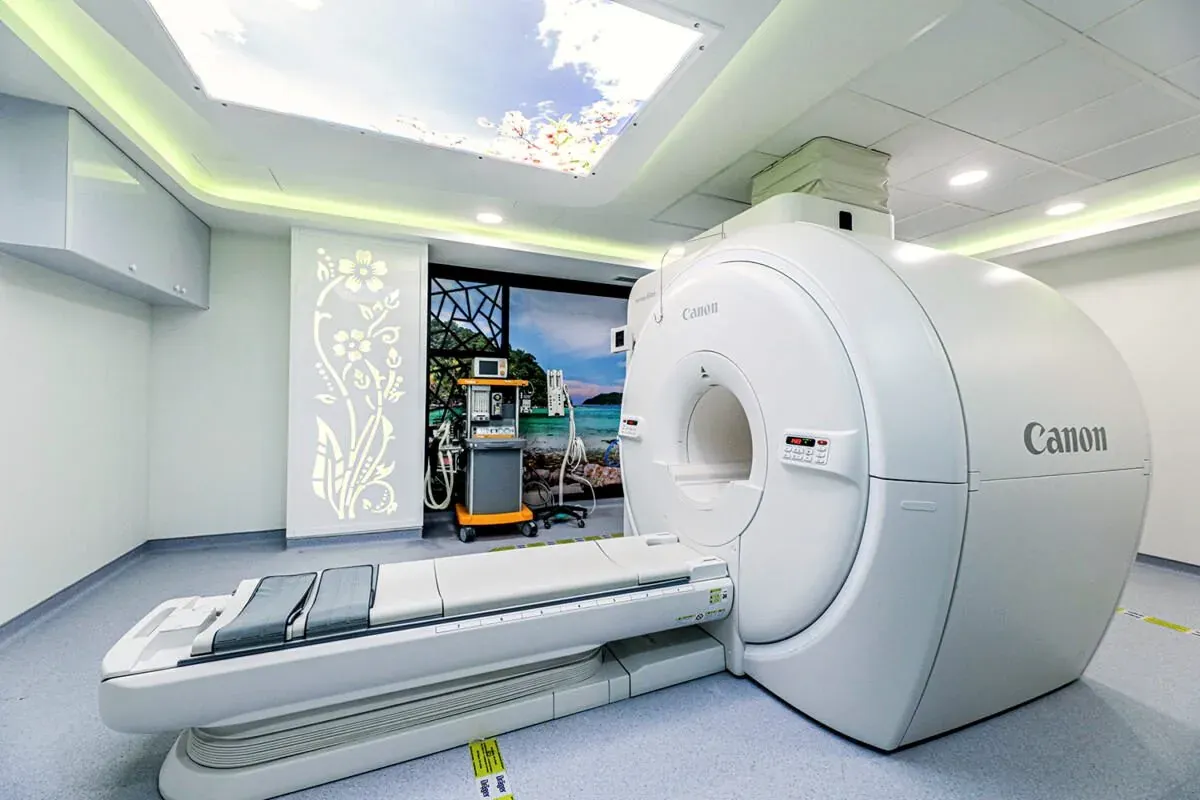
    The tests are done at the same hospital where the operation will take place, a few days beforehand: reception directs you to the laboratory, and the results go to the surgeon and the anaesthetist. The surgeon then draws up the plan and agrees a date.

    CT imaging room at Dubai London Hospital
  4. Step 04

    Surgery

    Carried out at the hospital, under anaesthesia. How long it takes depends on the extent of the procedure and is discussed in advance.

  5. Step 05

    The first days

    One day in hospital under observation - the stay can be extended if needed. The dressing and the fixing elements are removed later, on the schedule the surgeon sets.

    Patient room at Dubai London Hospital
  6. Step 06

    Follow-up

    The first check-up is a week later: the dressing on the nose is changed, the silicone splints are removed and the surgeon sees how healing is going. The next one is two to three months later. Both are with the same surgeon who performed the operation.

[07] Recovery

How long it takes

Recovery is part of the operation, not an afterthought. Below are the timings after rhinoplasty, as the surgeon describes them. They depend on the extent of the procedure, on individual healing and on how closely instructions are followed, so they differ from one person to another.

  1. Day of surgery

    Moderate discomfort and a blocked nose, with facial swelling setting in. A plaster or thermoplastic splint is placed on the nose

  2. Days 1-3

    Swelling and bruising around the eyes are at their most noticeable. Rest and sleeping with the head raised are advised

  3. Days 5-7

    Swelling starts to subside and bruising fades. Many people return to work at this point, if it does not involve physical exertion

  4. Days 7-10

    The splint comes off. The nose underneath is still swollen - that is entirely normal. Breathing gradually improves

  5. 2-4 weeks

    Bruising clears and facial swelling reduces markedly. Normal life resumes, avoiding injury and intense exertion

  6. 1 month

    Most people around you no longer notice signs of surgery. Around 60-70% of the swelling has gone; light exercise once the surgeon agrees

  7. 2-3 months

    The contours of the nose become clearer and skin sensation returns. Residual swelling keeps resolving, longest of all at the tip

  8. 6 months

    The final shape continues to refine as residual swelling gradually resolves

  9. 12 months

    The final result of a primary rhinoplasty takes shape. After complex or revision surgery, recovery can take up to 18 months

What to keep in mind

The timings above are a guide, not a promise. They depend on the extent of the operation, on individual tissue characteristics and on how closely instructions are followed. The surgeon gives you the timings for your own case at the consultation, after examining you.

// Everyday life

The timings below are a guide from the surgeon’s answers. The exact date for each of them is given at your follow-up examination.

  • from 1 week

    Flying - approximately. Once the plaster splint has been removed and the surgeon has examined the nose. The decision is made individually, based on your condition and how recovery is going.

  • from 3-4 weeks

    The pool and the sea - no earlier, after a follow-up examination and with the surgeon’s approval. Before that, water and chlorine irritate the lining, and active swimming raises the risk of swelling and of accidental injury to the nose.

  • from 1 month

    Cardio and heavy physical exertion. They are not advised during the first month; after that, return to training gradually and by how you feel. The surgeon sets the timing at the follow-up.

  • first 2-3 months

    Direct sun, tanning and sunbeds - to be avoided. During the same period, do not wear glasses that rest on the bridge of the nose, prescription ones included: pressure from the frame affects how the tissues sit and how the new shape of the nose forms. Outdoors, wear a wide-brimmed hat, keep your face out of direct sunlight and avoid overheating.

// After septoplasty

Here the timings are different and noticeably shorter. The silicone splints usually come out on days 5-7 and breathing begins to recover. Most people return to work within 7-14 days, and nasal breathing settles at one to two months. The functional result is assessed at three months, and by six months the tissues of the septum have fully recovered.

[08] When surgery is postponed

When surgery may need to be postponed

A consultation can also end with a decision not to operate - that is a normal outcome. Below are the cases where the surgeon will suggest waiting, or decline.

  1. The nose is still growing

    Rhinoplasty is not performed until the body has finished growing, which means the age of 18. Septoplasty can be carried out earlier where it is needed. There is no upper age limit: what matters is the state of health.

  2. Expectations surgery cannot meet

    Surgery changes your nose - it does not copy someone else’s. If the goal is a nose from another person’s photograph, the surgeon will discuss what is achievable with your anatomy and will not take on what cannot be promised.

  3. When surgery is expected to change a life

    The shape of a nose does not resolve matters in relationships, in a career or in how you feel about yourself. If the conversation is about that, the surgeon will suggest working through the expectations first rather than operating.

  4. Acute illness or uncontrolled chronic conditions

    Any active inflammation raises the risk of complications, so elective surgery is postponed until the condition has been treated or stabilised. With chronic conditions, clearance from the relevant specialist is required: the body may tolerate surgery and anaesthesia poorly.

  5. Bleeding and clotting disorders

    They raise the risk of bleeding and of clots forming. The question is settled with the relevant specialist before surgery.

  6. Pregnancy and breastfeeding

    Elective surgery is postponed until after pregnancy and breastfeeding, and until the body has recovered.

  7. A recent nose operation

    A revision is possible only once the tissues have fully healed after the previous surgery. The surgeon sets the timing based on their condition.

This list is a guide: the final decision is made by the surgeon at the examination.

[09] Questions and answers

What people ask before the consultation

[10] Booking and contacts

Book a consultation

Consultations are held at Dubai London Hospital, by appointment. Contact us using whichever method is more convenient - the online form or WhatsApp.

// Direct contact

// The doctor on InstagramEldar Kamalov on InstagramCase notes, answers to questions and the working life of a surgeon - no promises, no advertising.Open the profile →